Maya Classical writings represent one of the most advanced writing systems
in the ancient Americas. They preserved political history, religious rituals,
astronomical observations, and royal genealogies during the Classic Period
(250–900 CE).
Mayan Classical writing is the sophisticated writing system used by the ancient Maya
during the Classic Period. It combined pictures, symbols, and phonetic
signs to record history, religion, astronomy, and the lives of kings and nobles.
This script,
carved on stone monuments and painted in books and ceramics, shows the advanced intellectual
and artistic achievements of Maya civilization.
Who are the Mayas?
According to research, the Maya are an Indigenous civilization of Mesoamerica who developed
one of the most advanced cultures in the ancient Americas. They originated thousands of years
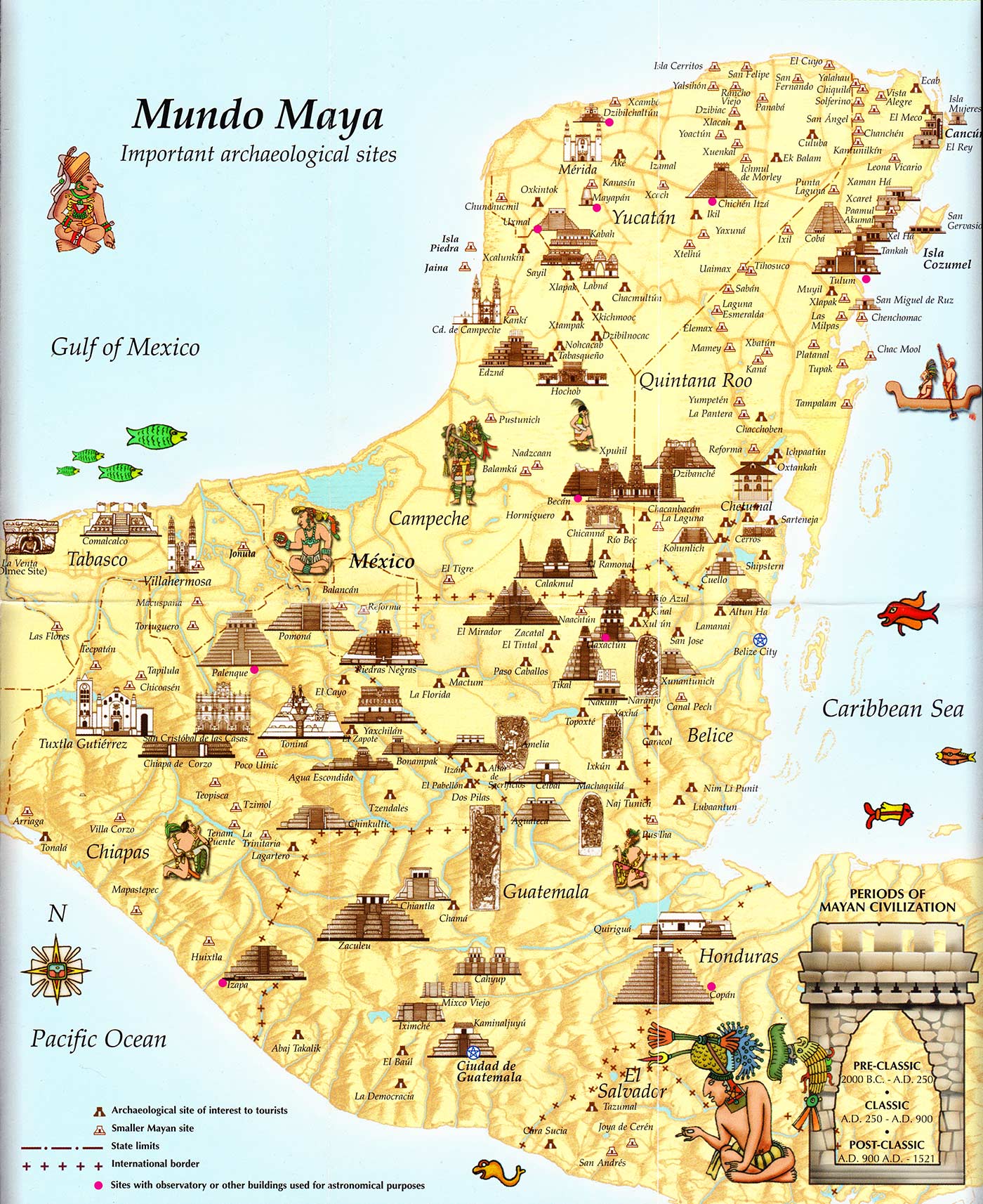
ago and lived in what is now southern Mexico, Guatemala, Belize, Honduras, and El Salvador.
The Maya are known for their achievements in writing, mathematics, astronomy, architecture,
and agriculture, and their descendants still live in these regions today, preserving many
aspects of Maya language and culture.
Maya Classical Writings
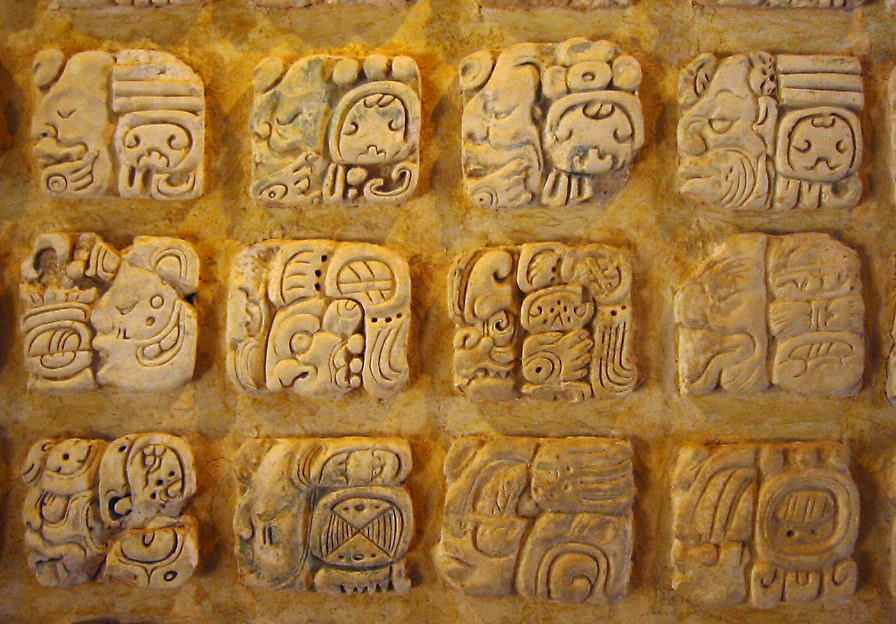
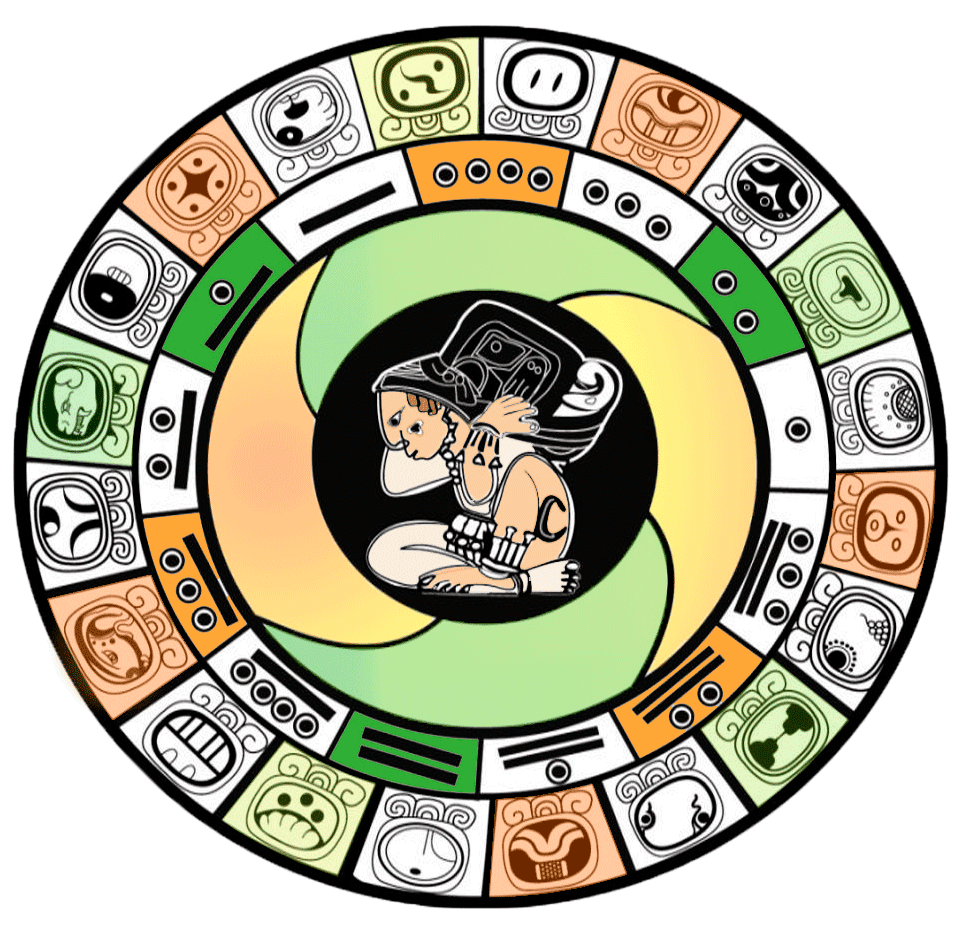
The ancient Maya developed a fascinating system of writing which used glyphs.
This Mayan writing system made use of over 1,000 different signs,
each representing different words and sounds.
Maya script is an early form of writing and was used widely across Mesoamerica.
This is a part of North America that today includes the modern countries such as
Mexico, Belize, Guatemala, Honduras and El Salvador. The Mayan system of writing dates
from as far back as the 3rd century BCE and lasted until the 16th century CE.
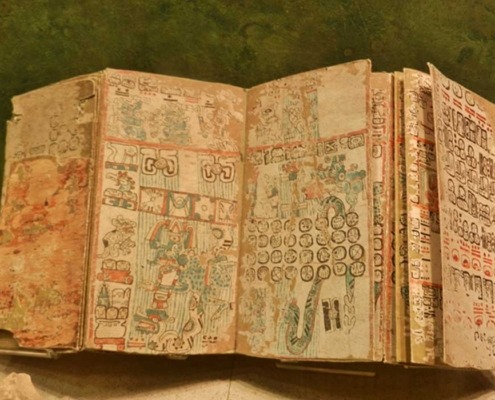
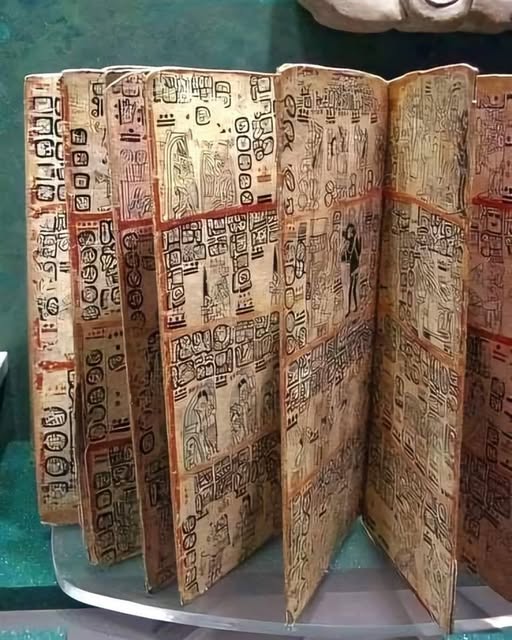
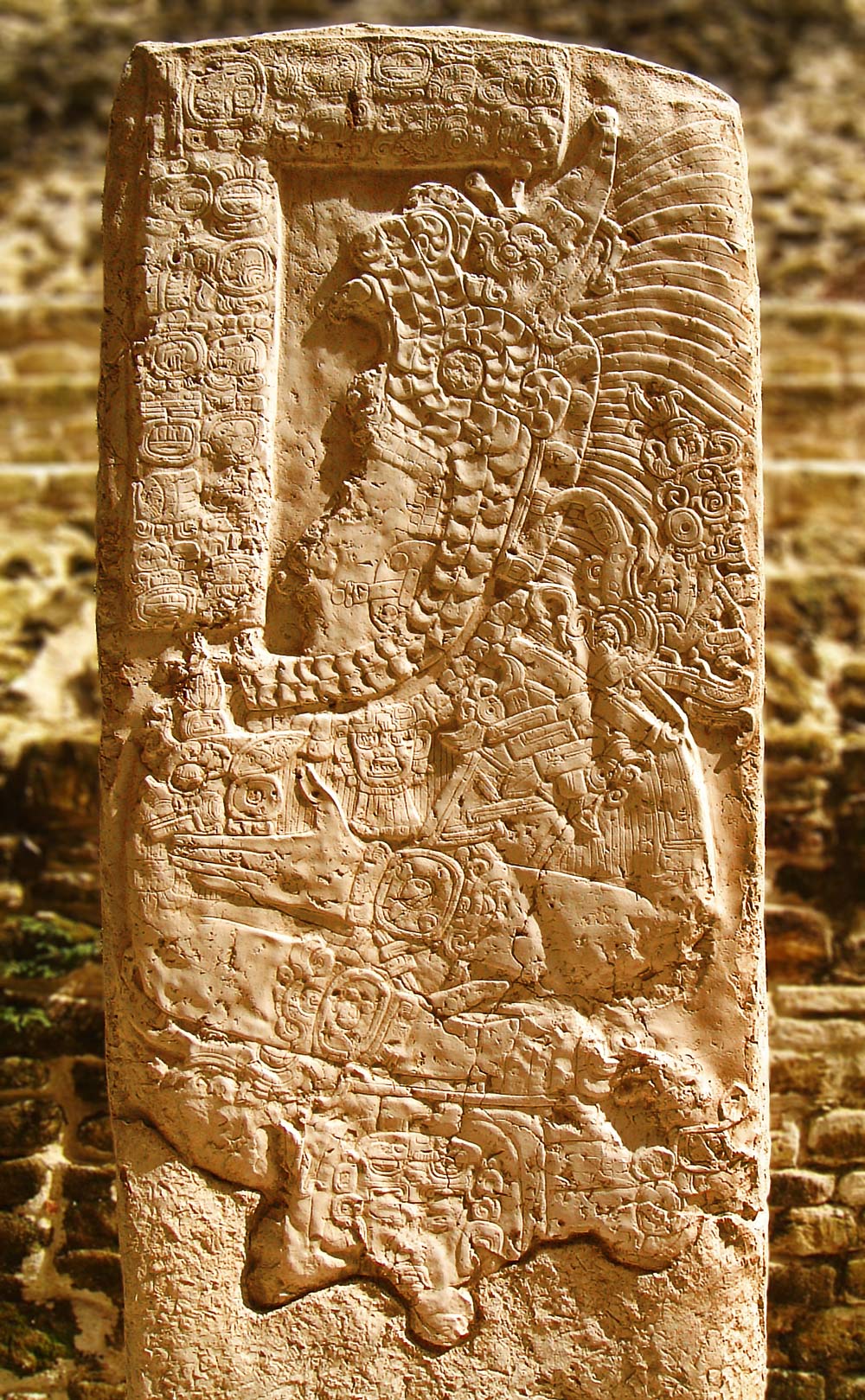
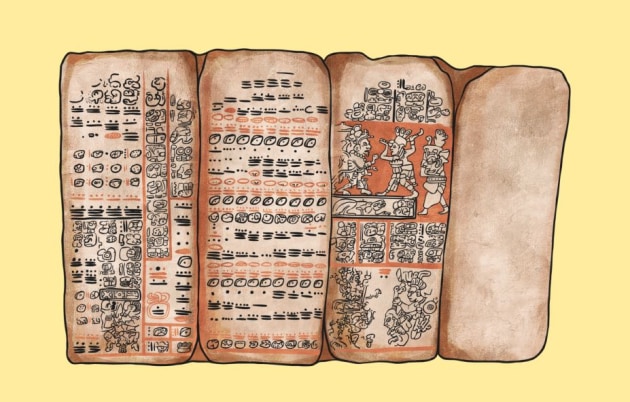
Mayan glyph writing was used to record events on stone. They also used them to create their
own books, which are known as codices. Some of these books still exist today.
They’re mainly about the subjects of astronomy, rituals and calendars.
Experts who study these books use them to help us understand more about the Maya.
Mayan glyph writing was used to write different Mayan languages such as Yucatec.
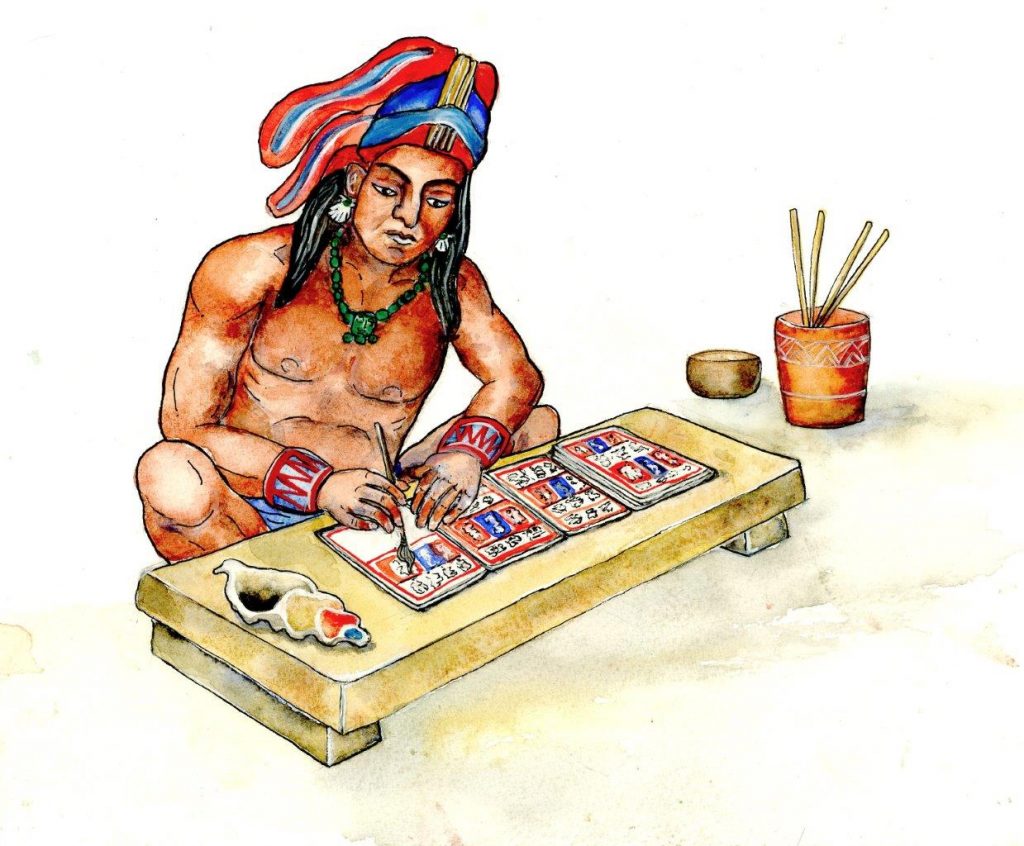
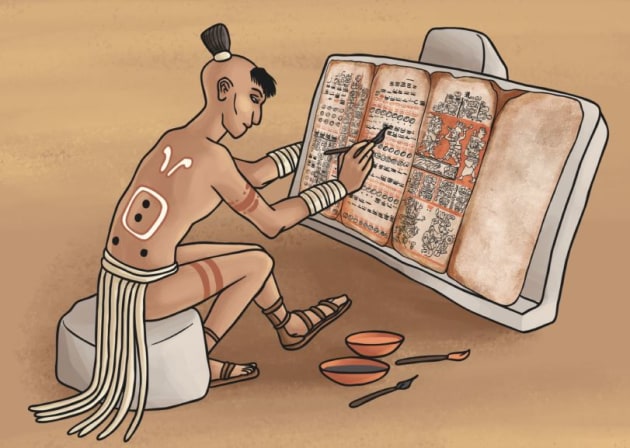
It was also practiced by scribes, who wrote in a language called classic Maya.
Maya Writing Origin
Maya writing originated around 300 BCE and evolved into a logosyllabic system
that combined symbols representing words and sounds, reaching full complexity
during the Classic Period. It is considered the most advanced writing system in the pre-Columbian
Americas. It developed from earlier regional traditions and was fully established by the Classic
Period (AD 250–900). Allowing them to write names, dates, historical events, and religious beliefs.
This writing system was used mainly by scribes and elites and appeared on stone monuments, ceramics,
murals, and bark-paper books known as codices.
Current Sources of Maya Writings
Modern understanding of Maya writing comes from inscriptions, surviving codices,
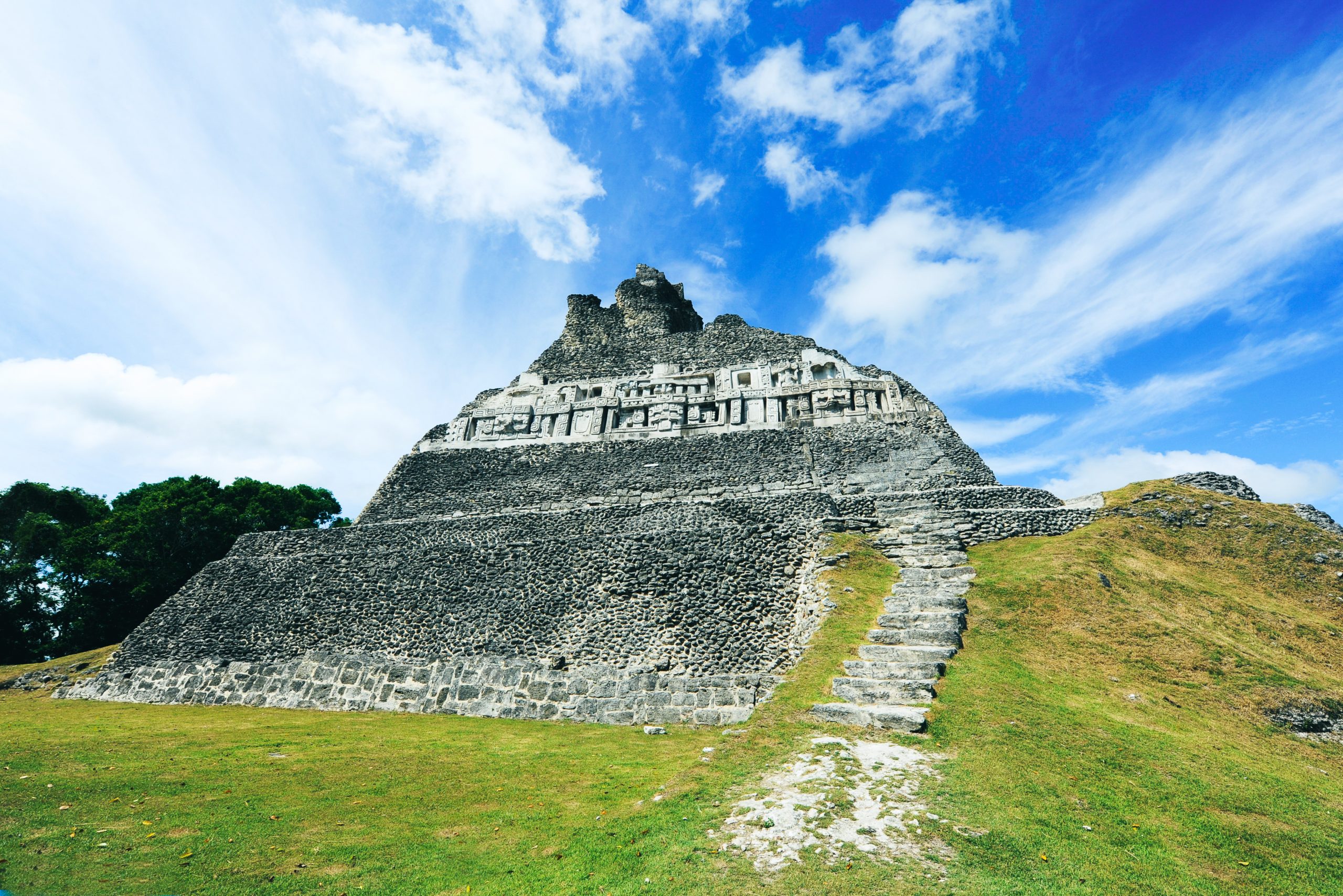
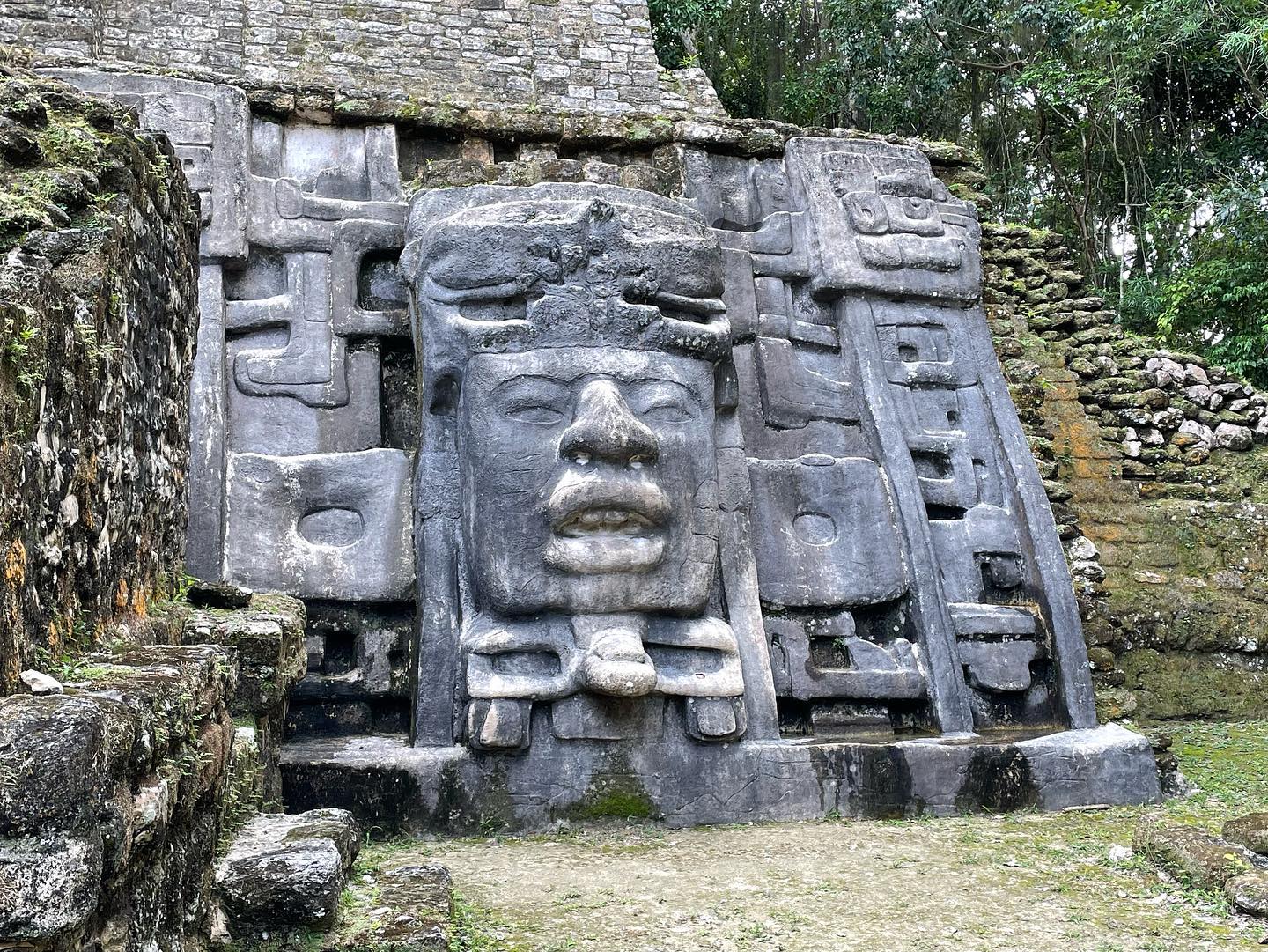
and archaeological sites in Belize such as Caracol, Altun Ha, Xunantunich,
and Lamanai.
The main sources of Mayan writing, according to research, come from several types of materials
used by the ancient Maya:
Stone monuments (stelae and altars): Carved inscriptions recording rulers, battles, ceremonies,
and important dates.
Codices: Bark-paper books written by Maya scribes, mainly about astronomy, calendars, rituals,
and gods (only four authentic codices survive today).
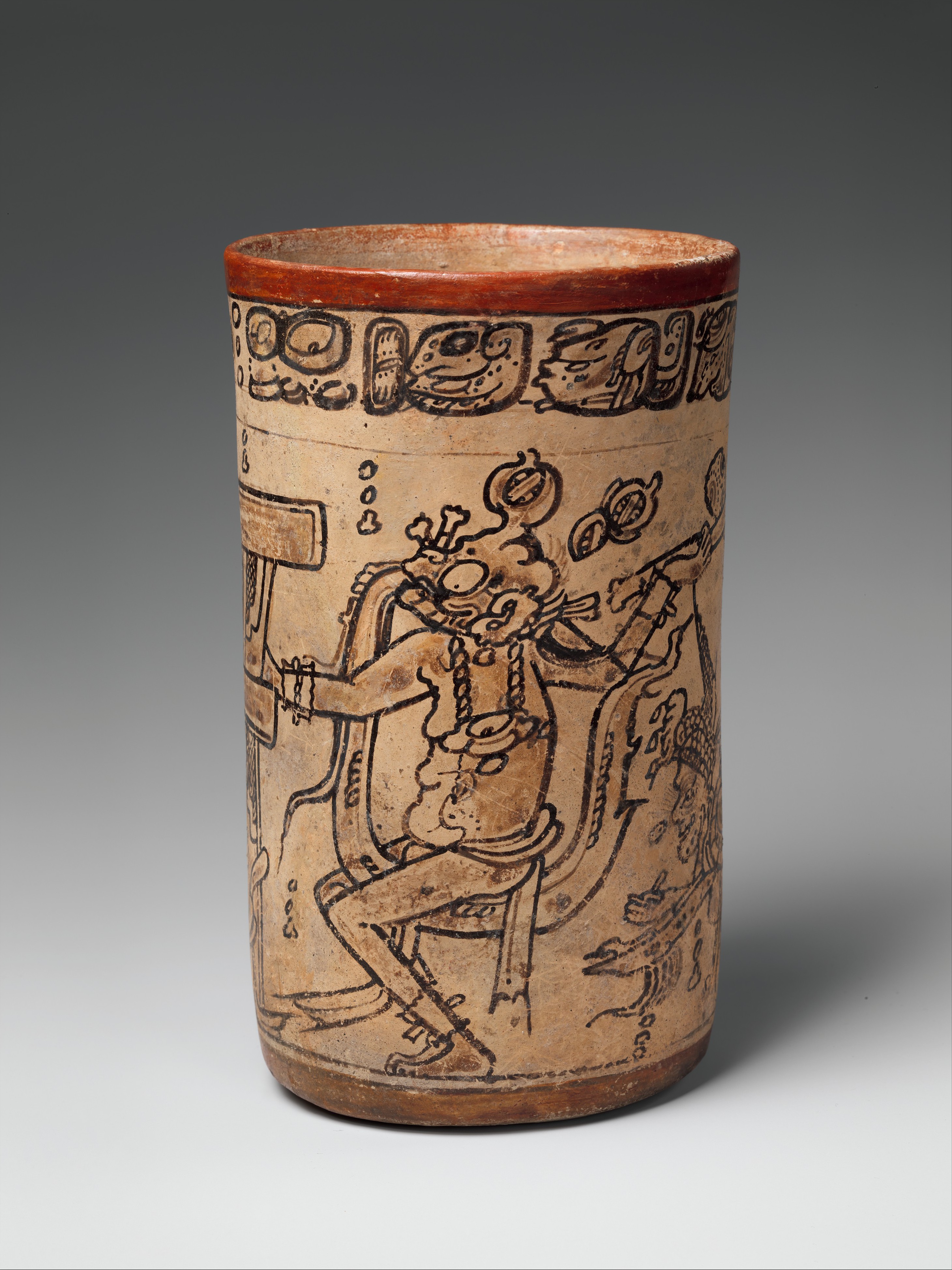
Ceramics and pottery: Painted glyphs on vases and bowls, often describing ownership, myths,
or royal events.
Murals and wall paintings: Found in temples and buildings, combining images and glyphic texts.
Architectural inscriptions: Glyphs carved into stairways, doorways, and building facades.
Maya Writing Systems
The ancient Maya used one main writing system, but it worked through two different types of
signs that were used together:
Logographic system (logograms): These glyphs represent whole words or ideas, such as names of gods,
places, animals, or objects.
Syllabic system (syllabograms): These glyphs represent sounds (syllables), usually a
consonant–vowel combination like ba, ka, ma. They were used to spell words phonetically.
Together, these formed the Maya hieroglyphic writing system, which allowed scribes to write
complex texts, including names, dates, historical events, religious rituals, and astronomical
records.
The Maya writing system is logosyllabic, combining logograms and syllabograms.
This allowed scribes to write ideas flexibly and artistically while preserving
precise pronunciation.